I had long debated taking a trip to Japan and had got as far as booking a flight, until Covid got in the way of my plans. I had heard good things about Japan and my friend, who had been uncertain, agreed that we should go.
We took a direct flight to Tokyo, treating ourselves to Premium Economy Seats. Despite the slightly bigger seats and extra legroom, the food was still mediocre and the film selection very disappointing. We did, however, get an amazing glimpse of Mount Fuji from the plane. Of course, it was pouring with rain when we landed, after some fourteen hours in the air. We caught a train to the nearest station to our hotel, conveniently right next to the Tokyo Skytree, which was on the itinerary for the next day. We checked in easily and opened the door to our room, where we were to stay for four nights. It was tiny! Climbing on the beds was necessary when passing each other to go to the bathroom. I loved the toilet of course. I had experienced one of these at the top of a tower somewhere in Shanghai years ago. Hot water directed wherever you like and then a dryer to finish off. There is even a button for privacy, which I assumed played music.
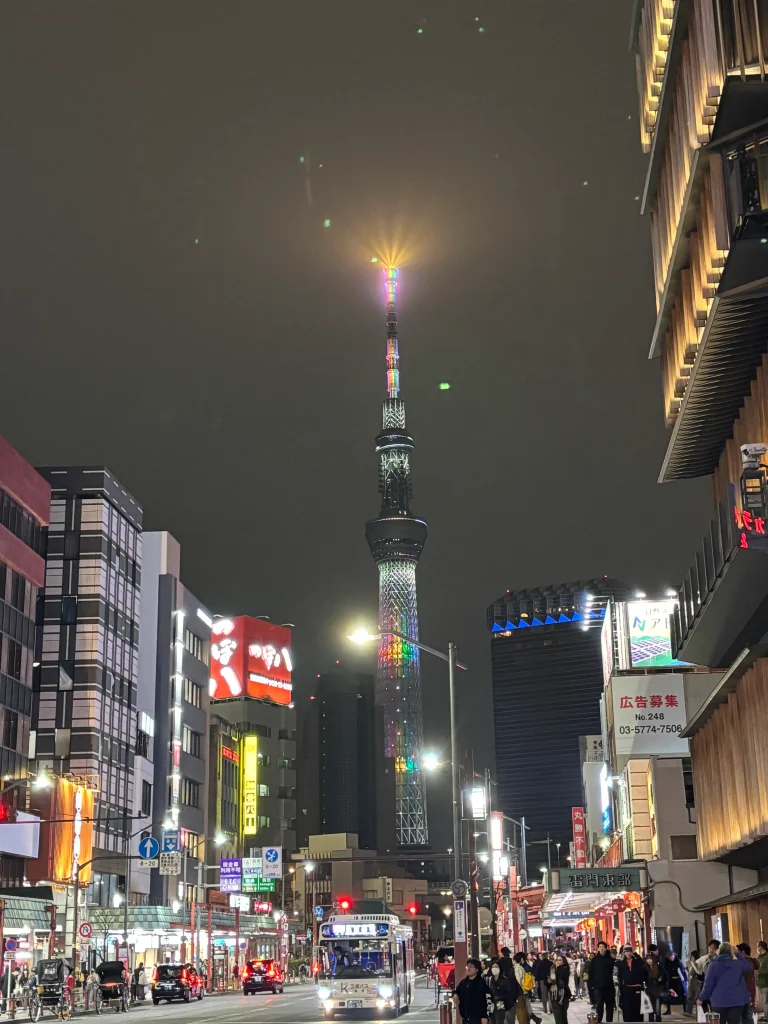
It was late afternoon and after a little snooze, we freshened up and headed out into the rain. Walking up the road, we could see the Skytree, which looked much more impressive in the dark, with the lights at the top changing colour every few minutes. Tokyo Skytree is a broadcasting and observation tower and when it opened in 2012 it was the tallest tower in the world. It is 634 meters (2,080 feet) tall. This height makes it the tallest tower in Japan and the tallest free-standing broadcasting tower worldwide. It is also the second tallest structure globally, after the Burj Khalifa in Dubai. We went through the Kaminari-Mon Gate, which unbeknown to us led to the Senso-ji Temple. I came upon a stall which sold lip balm for every day of the year and shopped for friends and grandchildren. When I got home and presented my grandson with his, he looked puzzled as I had bought one with a birthdate two days before mine instead of two days after! How could I have forgotten the actual date of his birthday? But I digress… we were hungry and in search of food. With my Crohn’s Disease and my friend’s severe allergy to garlic as well as a preference for plain food, this was possibly going to cause us some difficulty. We looked at various menus and couldn’t find anything suitable. There was Wagyu beef, hahal meat, and some slightly limited choices in the immediate location, so we opted for a Chinese restaurant in our hotel. I couldn’t believe that on my first night in Japan, I was going to eat Chinese food, but we were tired and hungry so it seemed the best bet. We struggled with interpreting the menu but a very helpful waiter appeared. A group of Japanese women were eating nearby, sinking large quantities of alcohol and they were very noisy. Feeling well fed for now, we retired to bed.
The hotel offered us two choices of breakfast rooms so we went downstairs in the morning to the Panda café to see what was on offer. There was a Japanese option which was called “shark fin bowl set,” something which looked like a beef stew and an “American style” breakfast which, judging by the pictures, appeared to include scrambled egg and a hot dog. We opted for the latter. I have to say that it was inedible and we decided that we would go to the other breakfast room the next day.
We set out to follow the itinerary I had planned for our first day in Tokyo. Mastering the metro was the first challenge. There seem to be multiple exits, which often appeared to come out on a completely different part of the street to where you might expect from studying the map. It was confusing. Our first stop was Ueno Park. This was described in my Top 10 Tokyo guide as: “like a miniature model of Japan with shrines, cherry trees, lotus pond, statues and tombs.” Cherry trees were one of the things we were excited about, which Japan is so famous for at this time of year. We arrived at the park, which was full of tourists but very little evidence of cherry blossom. Maybe we were too early! There were trees everywhere but there were only a few branches containing blossom to be seen. We were disappointed to say the least. It is obviously a place for picnickers as we saw many signs which proclaimed, “Please refrain from holding banquets with sheets spread out.”
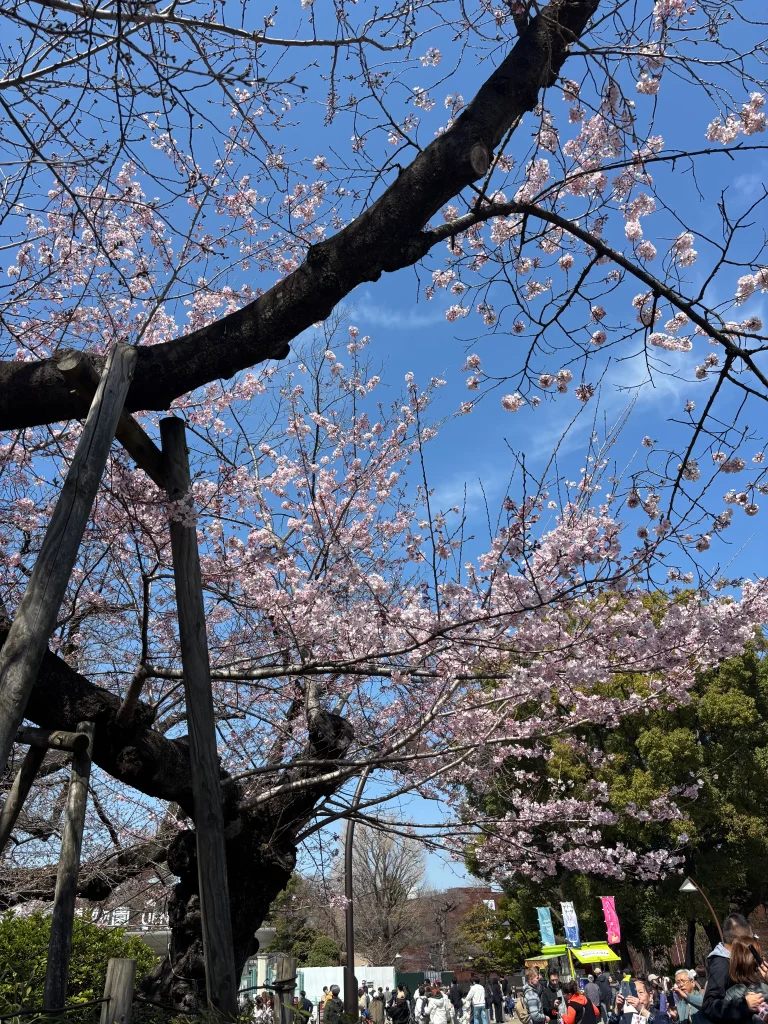
There was a large lake and a shrine so we strolled around for a while and then headed to our next destination, the Koishikawa Korakuen Garden. This is described as being the oldest and best Japanese garden in Tokyo with historic, traditional Chinese and Japanese style landscapes. In truth, it was a very disappointing garden, but we meandered around it for a while. By now, we were a bit weary and decided to give the Sky Tree a miss until the next day and headed back to the hotel to meet S’s friends who had just arrived. They were tired after their long flight so didn’t join us for dinner. My friend chose a burger place nearby. I cannot describe how bad it was and I couldn’t eat a thing, as the texture of the burger was not going to work for me. My friend ate hers and we headed back to the ubiquitous Chinese restaurant in the hotel where I ordered some fried rice. I couldn’t believe that I was eating here for the second time in two days.
As we hadn’t visited the Sakura Sky Tree the day before and as we were on its doorstep, we decided to go there the next morning. We queued for the lift and went to the top. The panoramic views were amazing but it was a little misty, or was it pollution? The highest viewing platform is 450 metres but the actual tower stands at 634 metres tall. We spent a bit longer in there than we thought we would, as queues for the lifts up and down to the viewing platforms were long. Back outside, the weather wasn’t great, cold, windy and rainy so first we went into Starbucks for a coffee. It was the only place where I could get decaffeinated coffee. I had been told by a friend that the teamLabPlanet in Tokyo was a fantastic place to visit, “a groundbreaking immersive art experience with digital installations offering interactive and unique visual experiences.” We decided to go. It took ages to get there by metro and we walked a fair way but when we finally arrived, we were greeted by a very polite person who told us that there were no tickets available today and we should have booked in advance. Speaking to some Australians who had just got off the plane to visit here, they told us that they had booked six weeks in advance. We decided that the best thing to do was to return to the hotel by train. This was quite an experience with amazing views of the river and harbour and the many skyscrapers around it, so it was worth it! That night we met up with our Swedish tour leader and the group who we were to spend the next couple of weeks with. Dinner saw us visiting the Chinese restaurant for the third consecutive night since we had been in Japan. Tonight there was a large group of school children celebrating their graduation and they were extremely noisy. The teacher kept apologising profusely but the children were very excited. Three nights in Tokyo and I had yet to experience any Japanese cuisine!
The next morning saw us heading with the group towards the Senso-ji temple, Tokyo’s oldest temple, which without realising, we had been on the edge of on our first night. We learned about the spirits that guarded the shrine and the giant red gate, flanked by statues of two gods, Fujin and Raijin. Our guide showed us how to rinse our hands in the purification fountain near the shrine’s entrance, then rinse our mouth and spit it back into the fountain. Then we had to throw a coin into the offering box, bow twice, clap our hands twice, pray for a few seconds, and bow once more. We all did this. Around the temple, which we later realised was typical of every temple we visited, you could purchase “omamori”, which are charms to tie on your bag or take home. These were to bring good luck in a variety of things such as success in exams, safe travel and good health. You could also write a message, wish or prayer on a wooden plaque and hang it on the shine. There was also something called an “omikuji”, which was a paper fortune to be drawn randomly. If you didn’t like what it said, you could tie it on the fence near to the shrine to leave the bad luck behind you. Mine was largely good!
“Your wish will come true. The lost article will not be found. The person you are waiting for will come late. Building a new house and removal are not always good. It is good to make a trip. Both marriage and employment are good.” Make of that what you will !
Next, we boarded a boat to take us along the River Sumida, past the high-rise apartments and warehouses, which we had seen yesterday from the train. In the heart of the city, right on the edge of Tokyo Bay we left the boat and made our way to the Hamarikyu Gardens, a former Shogun imperial retreat, which our guide told us was one of his favourite places. The first thing I spotted was an area of yellow rape planted in one area. As I can see this regularly in Norfolk, I was not that impressed. In fact, the gardens were very underwhelming in my view, flanked by the skyscrapers of the city. I cast my mind back to the Parc Oriental de Maulevrier, a place I had visited when in France last year, which absolutely knocked this into a cocked hat.
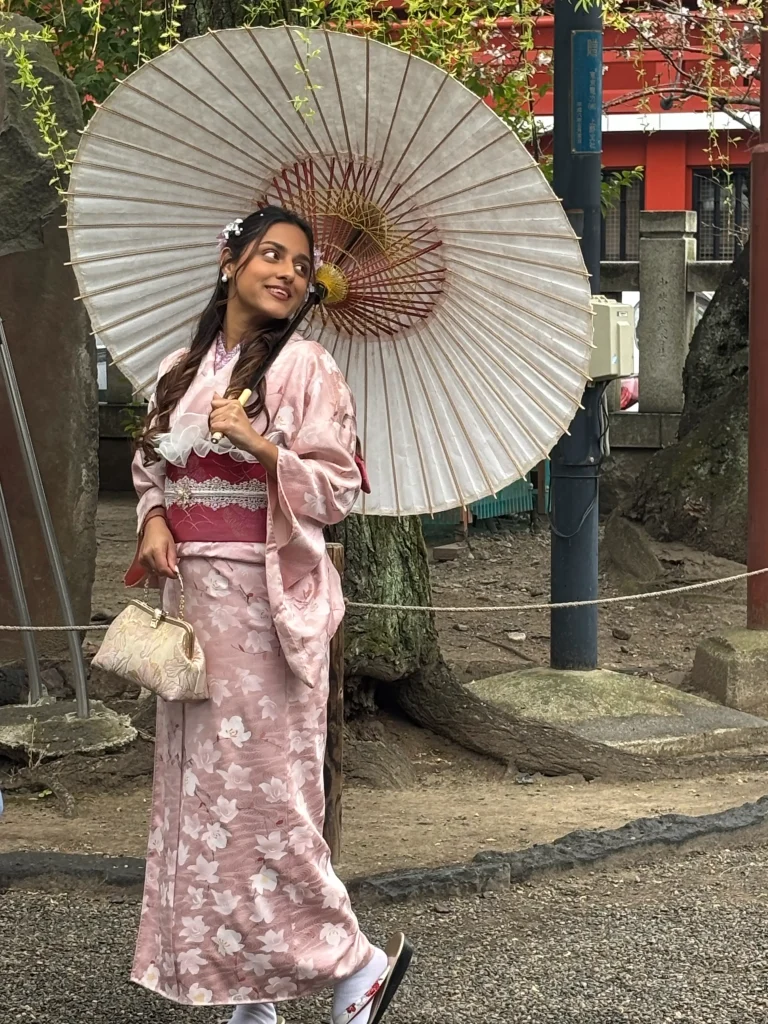
Next on the agenda was the Meiji shrine. Meiji Jingu is one of the Shinto shrines in Japan in the middle of a forest. It was established in 1920, to commemorate the virtue of Emperor Meiji and Empress Shoken, who took the initiative to make a foundation of modernized Japan. The shrine was destroyed in an air raid in 1945 and completely reconstructed. It is indistinguishable from the original, according to the guidebook. Shinto is Japan’s indigenous spiritual tradition and the essence of Shinto is the Japanese devotion to invisible spiritual beings and powers called kami, to shrines, and to various rituals. There is also a Buddhist tradition, which arrived in Japan from China /Korea around the 6th century. Shinto and Buddhism appear to exist side by side quite naturally and Japanese people follow traditions from both. Once again, we followed the shrine rituals here. I saw quite a few women dressed in elaborate costumes and having their photographs taken near the shrine. I later found out that this is common in Japan. There are many places where you can hire a beautiful kimono for a day and then stroll around and get your picture taken by a friend or family member, as well as by a tourist.
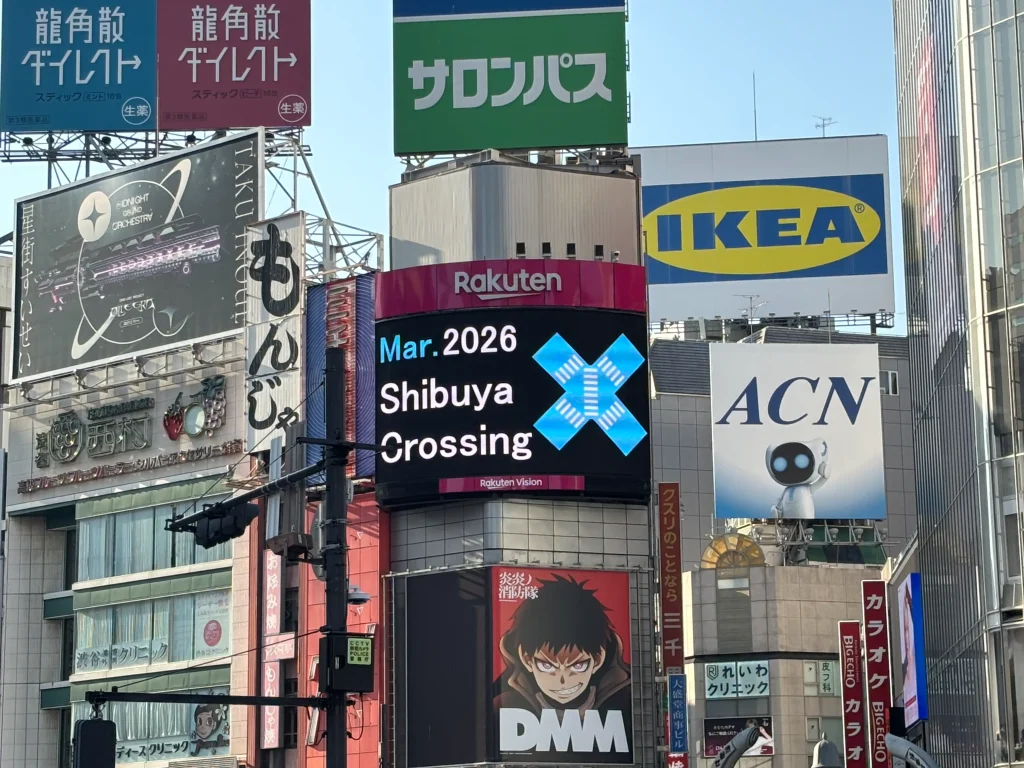
After this, by way of a great contrast, we left here to take the metro to the Shibuya Crossing, the busiest crossing in Tokyo. During its busiest times, an estimated 1,000 to 2,500 people forge their way across this intersection every two minutes, enough to quickly fill up a football stadium. I walked across it several times just to get the feel of it and stood for a few minutes watching a policeman directing the traffic. It was quite overwhelming. You can even sit up in a café overlooking the crossing, just to watch the people from above, scurrying across, looking like ants from above. We didn’t have time to do that so I walked backwards and forwards across the road instead. People were taking videos on their phones as they walked. This had been a day of contrasts but I was already beginning to feel overwhelmed by the city of Tokyo and wondered whether these days I am happier at the top of a mountain breathing in clear air.
That evening was another culinary challenge. We were taken to a place to sample “izakaya’ style cuisine, which is more about a style of eating than a specific type of food. We were hustled into a busy place, a cross between a pub/ café / restaurant/ fast food joint. We had to sit around a table and order food on-line, sharing some dishes and ordering some of our own. Drinks were ordered in the same way. It was efficient and frantic but pretty disgusting. Fast food mixed with Japanese delicacies such as chicken gizzards, yakitori (grilled chicken skewers with leek) edamame (salted soybeans) and sahimi (raw fish). We were excited by the prospect of tempura but the batter was thick and heavy and the pieces of chicken inside the batter were very stringy. There was general agreement amongst the group that the experience was truly awful.
The following day we took a bus to Hakone National Park. Occasionally we caught glimpses in the distance of Mount Fuji. We visited another shrine, walking through the big red Torri gates and performing the usual rituals. From there we went to Lake Ashi, where we boarded a boat which looked like a pirate ship. The scenery was beautiful and it was a relaxing half an hour before we headed to the cable car up to Owakudani, a volcanic crater which formed during the last eruption of Mount Hakone. The smell of sulphur was evident straight away and we could see steaming vents and bubbling pools everywhere. This area is famous for its black eggs boiled in the sulphur pools and were on sale everywhere. They are reputed to increase life expectancy by seven years. I didn’t try one but went into the museum instead and then bought a green ice-cream.
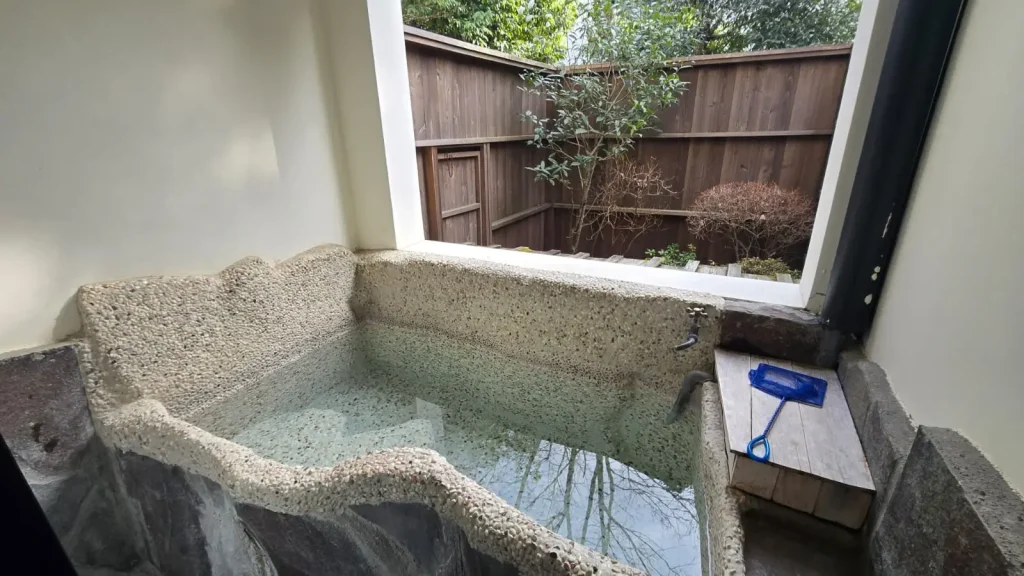
Driving on to Hakone, we arrived at our accommodation for that night, a traditional inn known as a ryokan. We were welcomed effusively by the staff and learned that should we wish to, we could use the communal baths. They were single sex baths but you were required to be naked, first washing down thoroughly in a shower before entering the bath. We were told that we also had our own hot outdoor bath, called an onsen, which we could bathe in outside our room.
A different kind of ensuite! From Reception we collected yokata robes, which we were told we could wear during our stay and especially for dinner. Inside the rooms were two futons on the floor and a place to sit with cushions and a low table. It was very beautiful and my friend and I discussed what to do about the bath. It looked inviting, set in a little garden and the water was very hot. Having been friends for many years, we still felt it was a step too far to bathe naked together. We decided to get into the bath in our robes and my friend enthusiastically donned hers and slid in. I unfolded my robe and found it was a children’s one, which actually covered very little but I put it on anyway and climbed in. It was way too hot to stay in there for long but we felt as if we had in a small way embraced the Japanese bath idea!
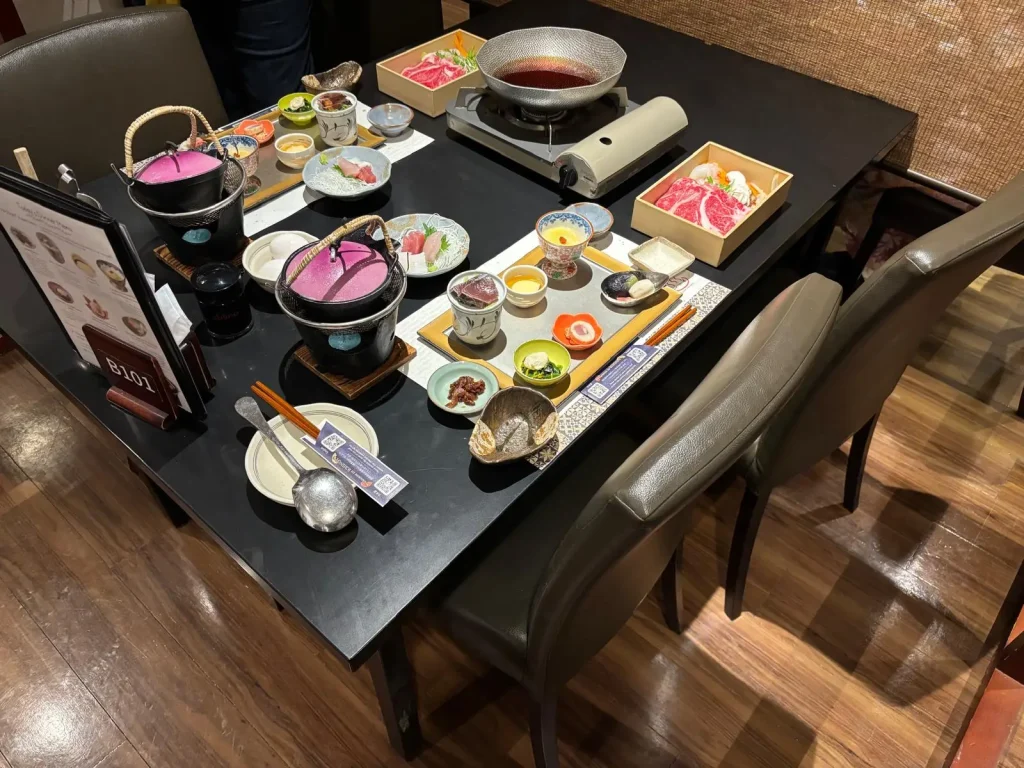
As our robes were now wet, we could not wear them for dinner so we put on the clothes we had with us. We were travelling with just a rucksack for tonight. We went into the dining room where we were seated according to who we were travelling with. Food allergies had been catered for and there were signs indicating that on the table. The table was laid out immaculately with small bowls of food and a pot simmering over a flame to cook very thin slices of meat in. Most people had been provided with beef but I had been provided with chicken. We stared at the plates and I looked beseechingly at our guide. It looked fabulous but I just had to know what I was about to eat or the outcome could be disastrous. He came over to the table and quickly indicated what was on the plate but I was really none the wiser. A fish course appeared with a whole fish head with the eyes staring at me. The food just kept arriving on the table. In the end, to be honest, for me it was mainly a case of putting things in my mouth to experiment with the texture and then unobtrusively spitting them out into my napkin if I thought it was too risky to swallow. My travelling companions were variable in their approach to the meal. Some embraced the food enthusiastically and others were more tentative. A couple of people decided to cook their raw fish which I don’t think was quite the idea. The staff were polite and helpful and went out of their way to please. It must have taken so long to prepare this food. It had been a day of interesting experiences.
The next day after breakfast, my friend studies the map we have been given in the Tourist Information Bureau. It turns out later that it is not very accurate. I have given up trying to look at it as the text is too small for me to decipher. We realise that our hotel is near to The Cascades Staircase so we head there first. This is located in a park with a lake nearby and was built in the 1950s as a pleasant place to stroll in the city. After the collapse of the USSR, the staircase fell into disrepair but was reconstructed in 2016. It is a beautiful staircase and looks pretty in the snow. We then walk by the lake to look for a statue my friend has seen on the map. We search for a while and then locate the place where the statue must once have been but it is no longer there. My friend curses the stupid map. There are places to have coffee, which are just kiosks with no indoor seating and no outdoor heating. We decide to walk into the city to find the Statue of Lovers. We find the statues but they are a bit underwhelming but it was something to do at least. My friend wants to look for another landmark, which she believes is a statue and we seem to walk miles in the cold before finding the Komsomol monument. This is a Soviet memorial dedicated to young members of the Leninist Communist Union of Youth, who were celebrated as patriotic heroes during the Soviet period. It is a bronze statue of a young woman holding a torch aloft which symbolises victory and youthful courage. My friend wants to walk further in search of something else she can see on the map and there isn’t much else to do so we set off. To get there at one point we have to scramble down onto a dual carriageway, underneath a bridge and back up again. A bit further on we realise this had been unnecessary and there is an underpass underneath the busy road. We approach the landmark and wonder what it is. It turns out to be the Chișinău State Circus building. It looks a bit like a UFO and doesn’t look as if it has been used recently as a venue. I look it up later and discover it was built in 1981 and was one of the USSR’s most impressive circus venues, The concrete steps in front of it are broken and it looks in a state of disrepair although there is a Christmas poster attached the side advertising who knows what? We are both a bit fed up and cold by now so we retrace our steps. We walk past a monument dedicated to the victims of the Jewish ghetto. The memorial marks the site of the main entrance to the ghetto, where over 11,000 Jewish men, women and children were imprisoned after the city was occupied by German and Rumanian troops in 1941. It makes sombre reading.
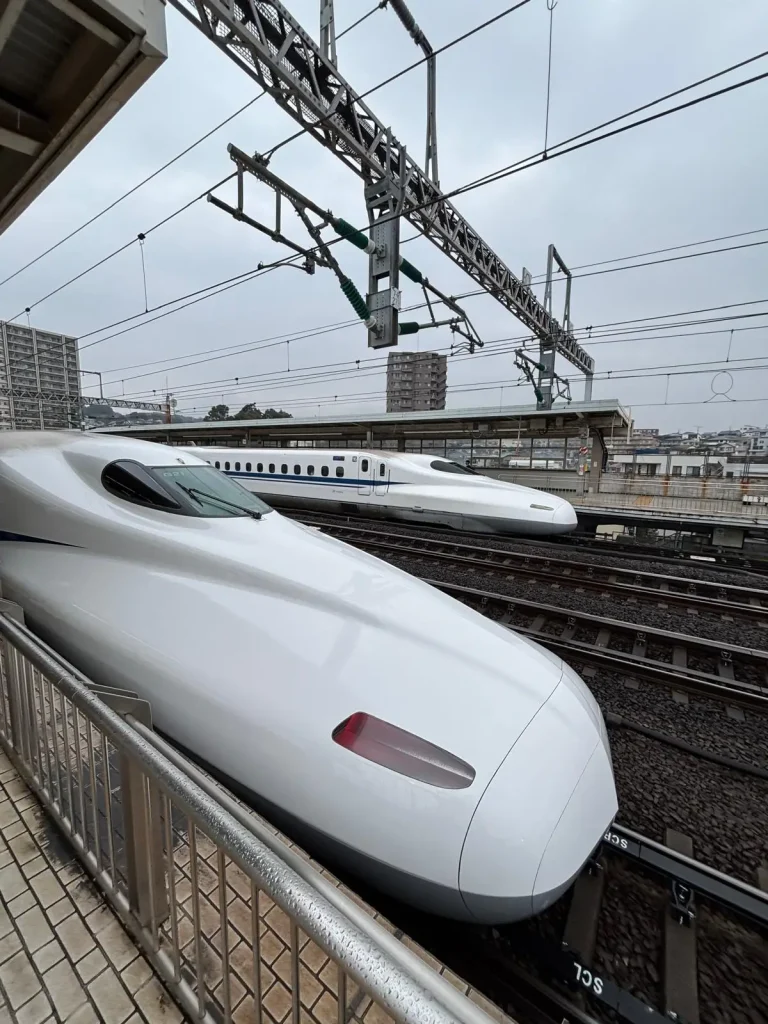
All told though, it felt fast and was fun to see the landscape rushing by.
We arrived in Kyoto, alighted from the train and found ourselves in a massive shopping complex. This was where our hotel was located and we were to stay here for two nights. I had been excited to visit Kyoto and had a picture in my head of what I thought it would look like. I am sad to say that I was disappointed. The torrential rain didn’t help. This really does seem to be a feature in my travels, whatever part of the world I am in. Luckily Japan has an honesty system for umbrellas so I selected a large one from outside a restaurant and set off. My friends thought I was stealing it and looked shocked. I had previously experienced this etiquette in Hong Kong so I knew the drill! We set off out into the rain. Everything always seems further than it looks on the map but we went to visit Sanjusangendo, a Buddhist temple containing 1,001 statues of Kannon, the deity of compassion. It is forbidden to take photos here and none exist as far as I am aware, but it was an amazing sight.
We rushed back to the hotel, got lost in the complex and finally had to call our guide for help. We were late and in the chaos, I thought I had lost my metro ticket so had to go back to my room to find it. It was actually in a side pocket in my bag all along. We set off on the metro to the area called Gion. This is Kyoto’s most famous geisha district, filled with shops, restaurants and ochaya (teahouses), where geiko, (which is the Kyoto dialect for geisha) and maiko, geiko apprentices, entertain. We were hurried through the area in the rain and saw very little. We were shouted at by traffic police and urged to keep to the side of the street. It seemed that we were passing restaurants and tea houses but they had firmly closed shutters so we were unable to even glimpse inside. Not a geiko or a meiko in sight! I understand that it is in some of these exclusive and expensive establishments that the geikos entertain. I still had no understanding of what that really meant. We rushed past the Yasaka Shrine and were then taken into a handicraft shop. No time to browse because we were about to meet a meiko, who would dance for us and then we could ask questions via a translator.
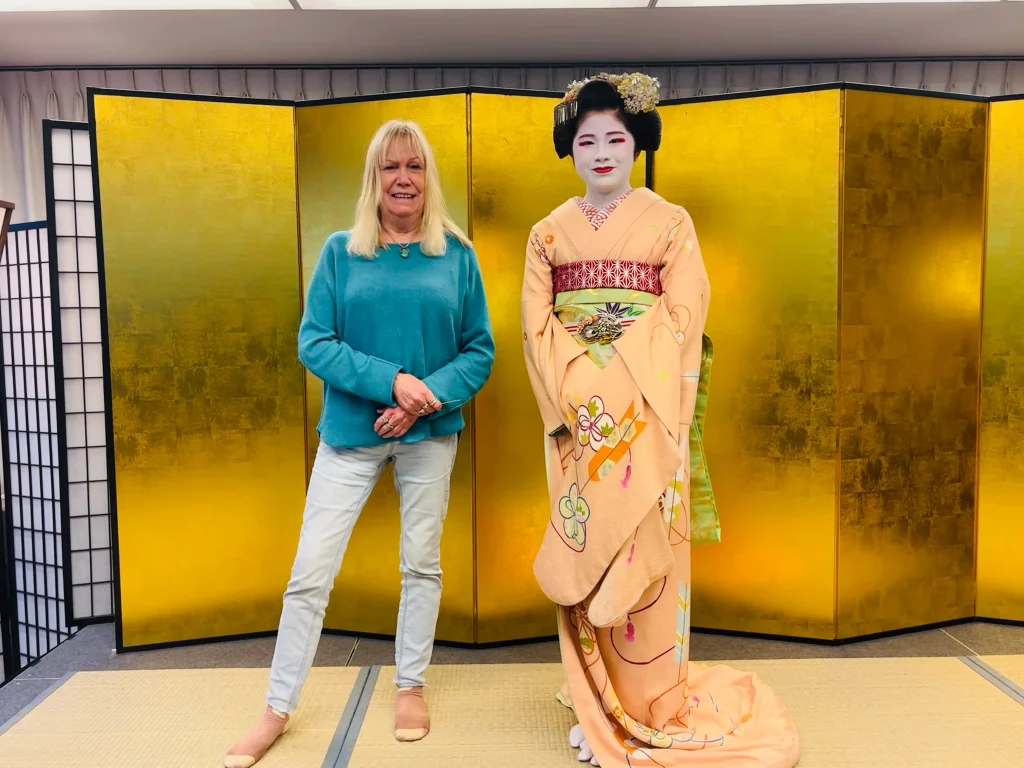
Our meiko appeared on a small stage and proceeded to perform three dances. It didn’t look that technical to me but I suppose it must have been. Then she stood elegantly while we were allowed to ask questions. Of course, we all had one burning question on our lips. What did this “entertaining” actually mean? We were all too polite to ask. In short, this is what I gleaned. After fifteen years of age, the meikos graduate from junior high school and decide they want to be a geiko. Every day they go to school for five hours They learn to be eloquent speakers and attend tea ceremonies. They learn about Japanese art, dance and how to play traditional instruments. We learn that the kimono is changed once a month and their hair ornament changes every month. They are required to sleep on a small cylindrical pillow placed below the neck to keep their hair in place. I wasn’t sure whether they actually had to sleep in their kimono for a month but surely not?! This month the symbol on the hair ornament was that of the cherry blossom. There is no retirement age for geikos but they can’t get married. We were invited to ask questions but no-one asks the question that we really want to ask. It was a strange experience. We watched her dance and then took some photos, which felt slightly uncomfortable. Then we had a bit of time to shop. I bought a kimono but I don’t think I will be wearing it for a month. We asked our guide the question that we wanted to ask. He was blunt, in his Swedish way. He said that there were prostitutes for that kind of thing and they didn’t have to do so much training. I came away still feeling puzzled about the reasons why a woman would choose this lifestyle but I guess there was more to be learned about one of Japan’s oldest cultural professions and how it has evolved over time.
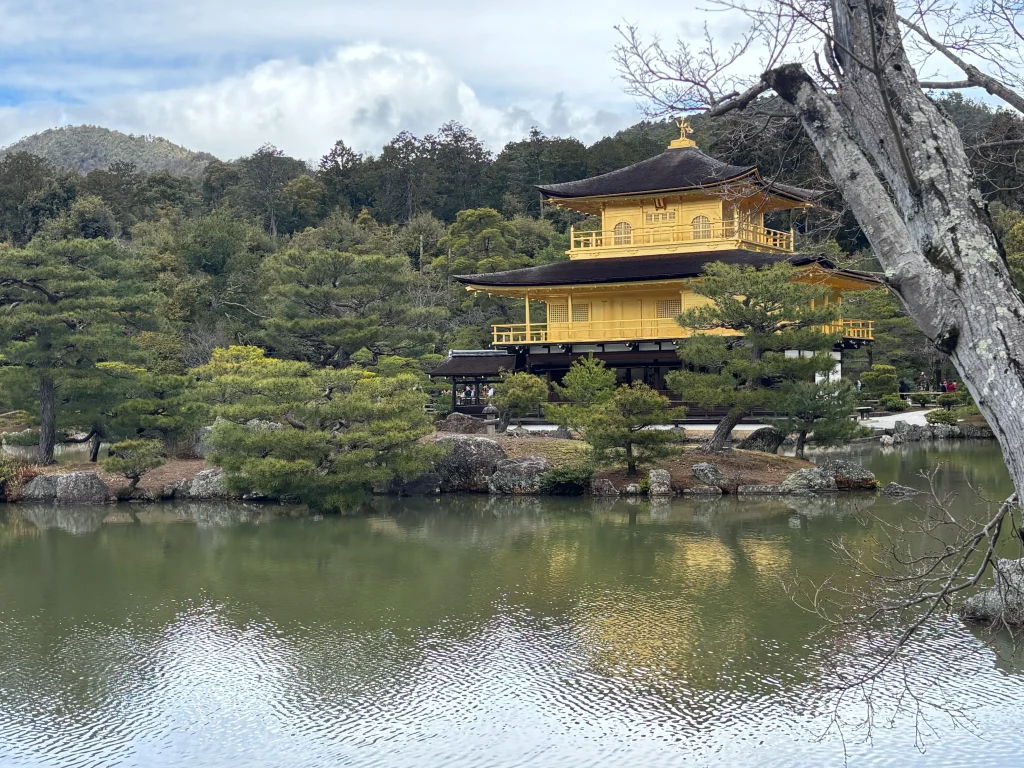
We returned to the hotel/shopping complex and a group of us found an Italian restaurant where we enjoyed a fantastic meal! I felt disappointed that my vision of Kyoto and my experiences so far bore very little resemblance to what I had imagined it to be. The next day our guide was to show us more of this city where he lived and which he professed to love. Luckily the weather had improved. First, we went to the Ryoan-Ji Temple with its Zen Gardens, where we took a moment to sit and reflect. It was a peaceful place. I was getting tired of the crowds. We then moved on to the Golden Pavilion, set by the side of a lake and almost appeared to be floating. The temple is a three-storey building with the top two tiers covered in gold leaf. It was once the residence of a retiring Shogun but was converted into a Zen temple shortly after his death. It burned down in 1950 and was rebuilt in 1955. It was here that we began to see some signs of the elusive cherry blossom at last. Next, we headed into downtown Kyoto to Nishiki Market, which is a long, covered market with stalls selling every conceivable type of Japanese food. I lost the rest of the group and chose to eat some gyoza and chicken skewers. I caught up with some of the rest of the group a bit later in a coffee shop devouring cake.
We went on to visit Nijo-jo Castle. It didn’t really look like what you would imagine when you hear the word “castle.” It was built in 1603 as the official Kyoto residence of the first Tokugawa Shogun, Ieyasu. We walked from room to room, with the rooms getting more opulent as we progressed through them. The Shogun would have held audience to the samurai warriors here. As we walked along the corridors, it seemed as if we could hear birds singing, but apparently this is due to the squeaky floors. The sound is meant to resemble nightingales singing and it is quite spooky. My guidebook told me that the reason behind this was to make it difficult for intruders to move about and not be heard. The castle area outside is huge and has several gardens and groves of cherry and Japanese plum trees. The Ninomaru garden is located between the two main rings of fortifications, next to the palace of the same name. This garden has a large pond with three islands and features numerous carefully placed stones and topiary pine trees. The sun was out and it was peaceful wandering about outside and finally seeing some splendid examples of cherry blossom.
The following day we had a free day and the obvious choices of places to visit were Osaka and Nara, which was nearer. We asked advice from our guide who just said, “Osaka is just another big city.” Nara it is then, we thought and looked up train times. We had been told about the deer and came across them immediately. There are hundreds of freely roaming deer here and they have become a symbol of the city and are designated as a natural treasure. People were feeding them with crackers which were for sale everywhere. We hoped that these crackers were good for the deer. They are very used to tourists but can become quite aggressive if you feed them and run out of crackers. One of the deer grabbed a leaflet from the floor and began to eat it. My friend got into a tussle with the deer, trying to pull the leaflet from its mouth. As the day passed, we came upon these animals everywhere but we didn’t feed them. What was fascinating was that they had learned to bow when begging for food. I have never seen a deer bow before but I suppose it is the same as getting a domestic dog to sit and beg for treats. It felt a bit weird and not entirely comfortable. We noticed that the fur on the animals looked a bit mangy too and wondered why. We walked to the Todai-ji, a Buddhist temple complex which was very beautiful inside. We went on to the Kasugataisha Shrine, which is a spiritually significant Shinto shrine, surrounded by forest and considered sacred. It is famous for its lanterns, made of stone and bronze, which were quite beautiful. The atmosphere felt calm and the day was a welcome relief from some of the busy days we had experienced on the trip so far.
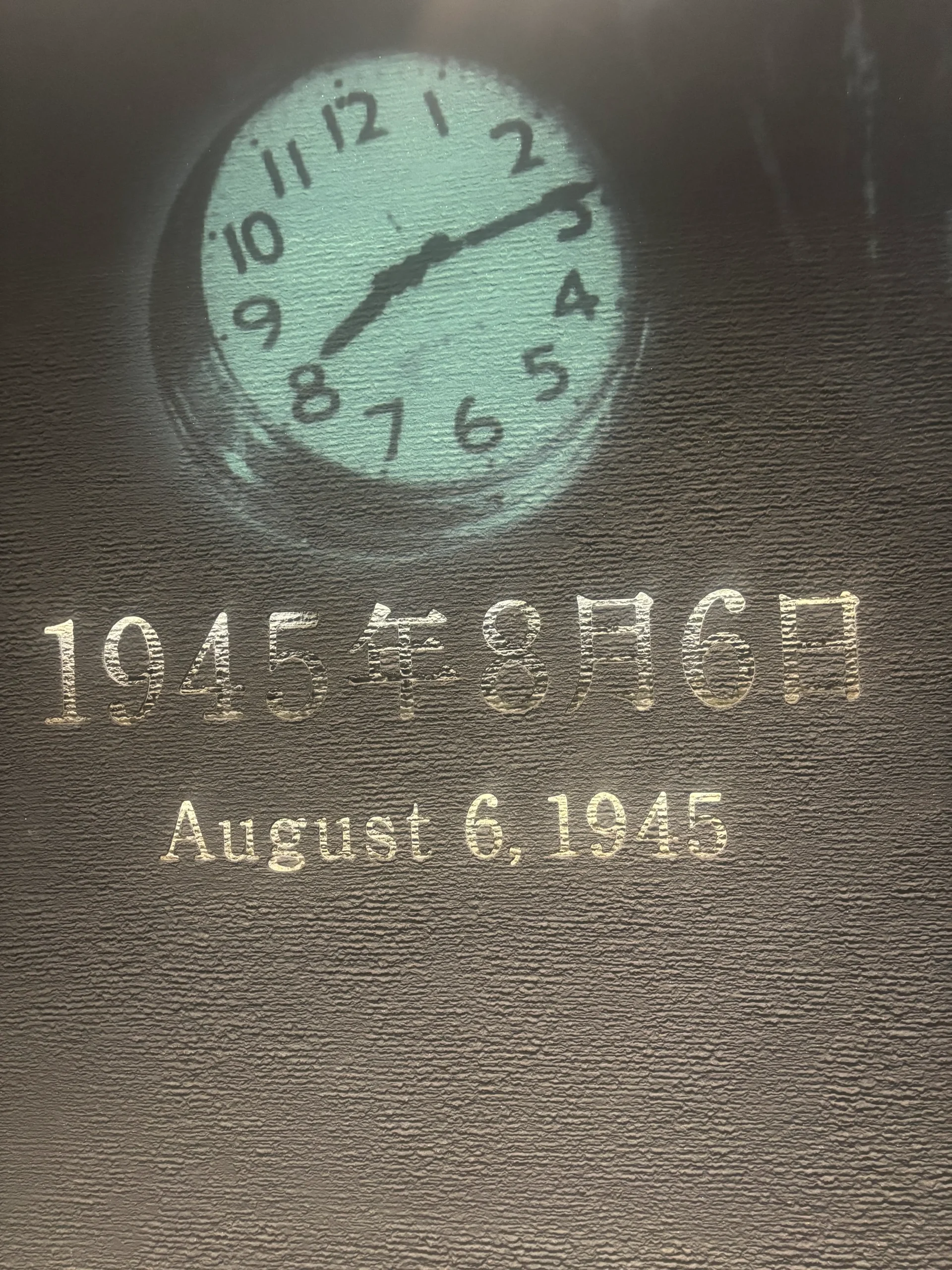
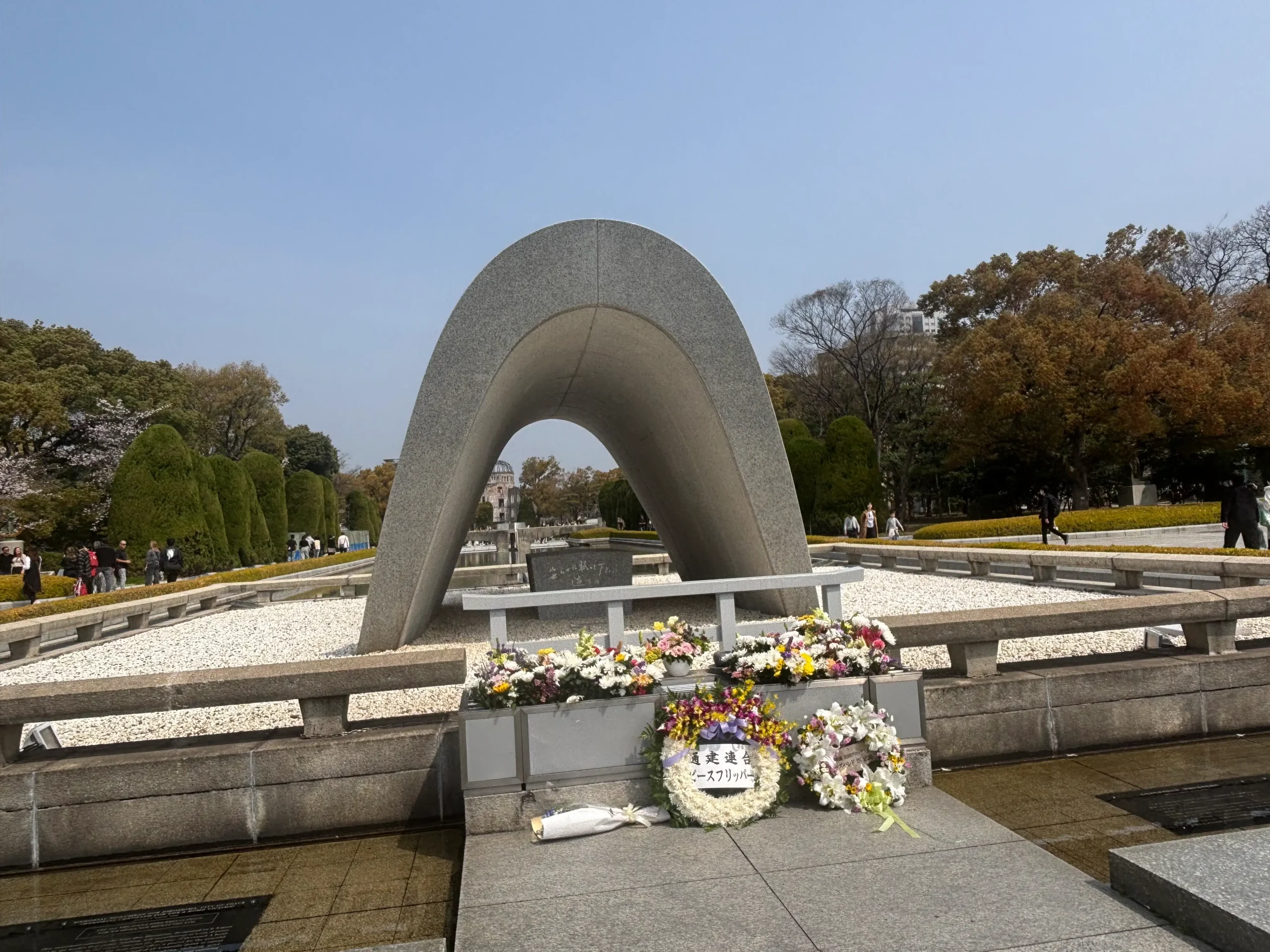
On Saturday we boarded another bullet train to Hiroshima. Many years ago, I had taught the book “Hiroshima” by John Hersey, as it was on the English syllabus. I found a copy on my bookshelf and re-read it before I left for Japan. It makes distressing reading as you can imagine. Hiroshima was completely destroyed on 6th August 1945, when it was the target of the first atomic bomb. There were 340 thousand residents in the city and they had begun to evacuate the city as bombing was expected, but obviously they were not prepared for something like this. We walked towards the one building which still stands, although was mainly destroyed and is now part of the Peace Memorial Park. The ruined building has been left exactly as it was after the blast and was directly under the explosion point. This building is now referred to as the A-bomb dome but it was originally the Hiroshima Prefectural Commercial Exhibition Hall. Walking along by the river on a sunny day and looking at the buildings, it is hard to believe what happened to this city. We went to look at the other memorials, including the curved stone monument, an arch-shaped structure which shelters a stone chest holding the names of those who died. It is aligned so that you can see the Atomic Bomb Dome in the distance. There is also a Flame of Peace which has been burning continuously and will only be extinguished when all nuclear weapons have gone. There is also a Children’s Peace Monument, inspired by a young girl called Sadako Sasaki, who survived the bomb but later developed leukaemia and died at the age of 12. She is remembered through the story of the more than one thousand origami cranes she folded before her death. Now there are thousands of colourful paper cranes here left by visitors from all over the world. Of course there is also the Peace Memorial Museum containing survivor stories, personal belongings and a lot of very distressing photographs. At the very beginning of the exhibition there is a clock whose hands are at 8.15 am. The clock stopped at this time, I believe, since this was the time that the bomb was dropped on August 6th, 1945. I shuffled my way through the exhibition along with everyone else, not speaking just taking in the horrific details. It is hard to describe how I felt but I wanted to get out of there at the end. The mission states: The mission of the Hiroshima Peace Memorial Museum is to convey to people around the world the actual damage wrought by the atomic bombing, thereby pursuing Hiroshima’s cherished desires: the abolition of nuclear weapons and realization of lasting world peace.” I was relieved to leave the museum and take some time to walk underneath the cherry blossom trees by the river, which were flowering abundantly. It had been a sobering experience and quite difficult to describe the feelings it evoked in me as I reflected on the experience.
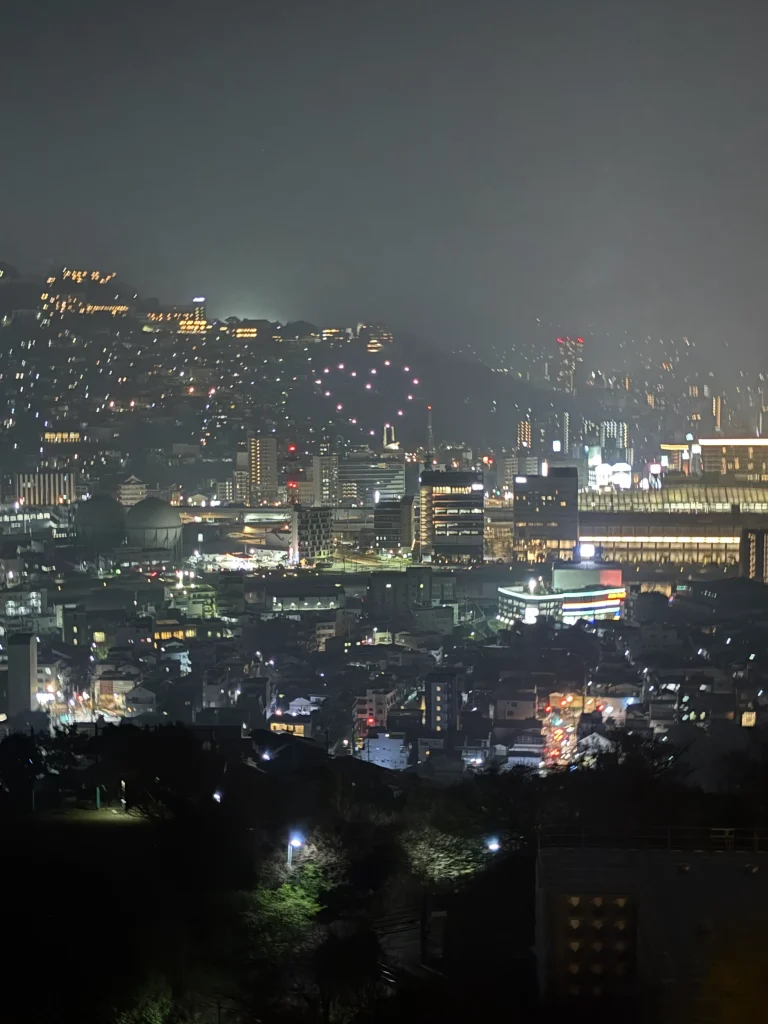
After lunch in a food outlet, we continued our journey by Shinkansen and local train to Nagasaki, which is also a city with a tragic history, as it was the target for the second atomic bomb. The second bomb had originally been destined for Kokura but weather conditions prevented this and Nagasaki became the target. We arrived in the evening and caught a local bus from the station up to our hotel, which was high on the hilltop with a beautiful view of the city below. Nagasaki is surrounded by mountains and spreads around a long narrow harbour. Lit up at night, we had the most amazing view from the hotel. We could even see a heart shape illuminated in lights.
The next day we were to learn a lot of different things about the city of Nagasaki. In the 16th century, it was established as the main trade point with the Portuguese, who introduced Christianity. After almost a century of turmoil, the religion was banned, foreign traders were expelled and Japan closed its doors to the west. There was one exception, however, which was the artificial island of Dejima, in the harbour. This small. closely guarded enclave was the site of the Dutch Trading mission, which remained Japan’s only contact with the outside world for almost 200 years. This has been reconstructed and we could see what it had originally looked like. It was not too busy and felt quite a calm place to explore. After that we visited Glover Gardens in the city, which contained preserved Western-style houses from the 19th century but in our view was not much of a garden. The former residence of Thomas Blake Glover is there He was a Scottish merchant who worked as a trader supplying ships, machinery and weapons. The views of the harbour were very impressive even though the gardens were a bit disappointing.
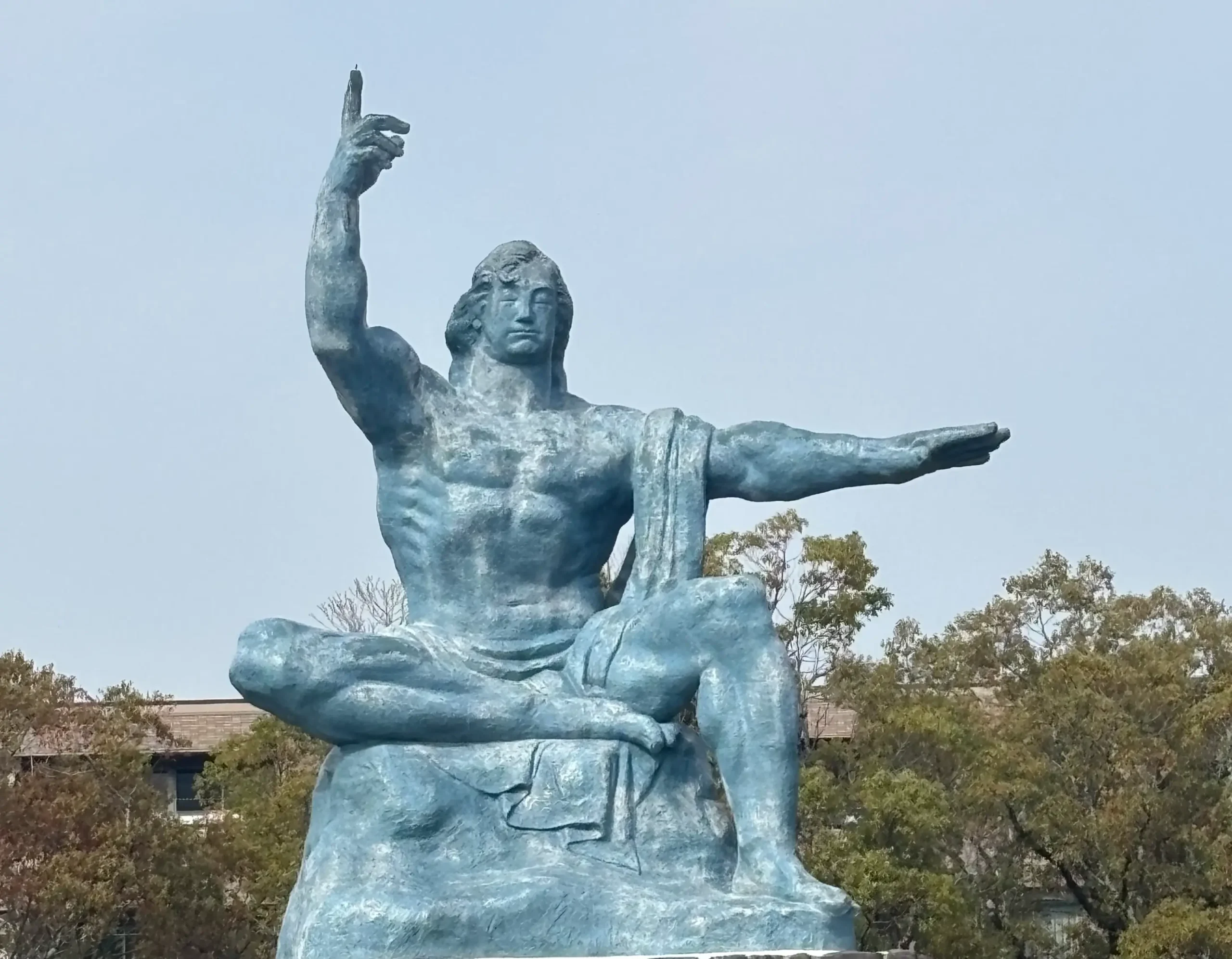
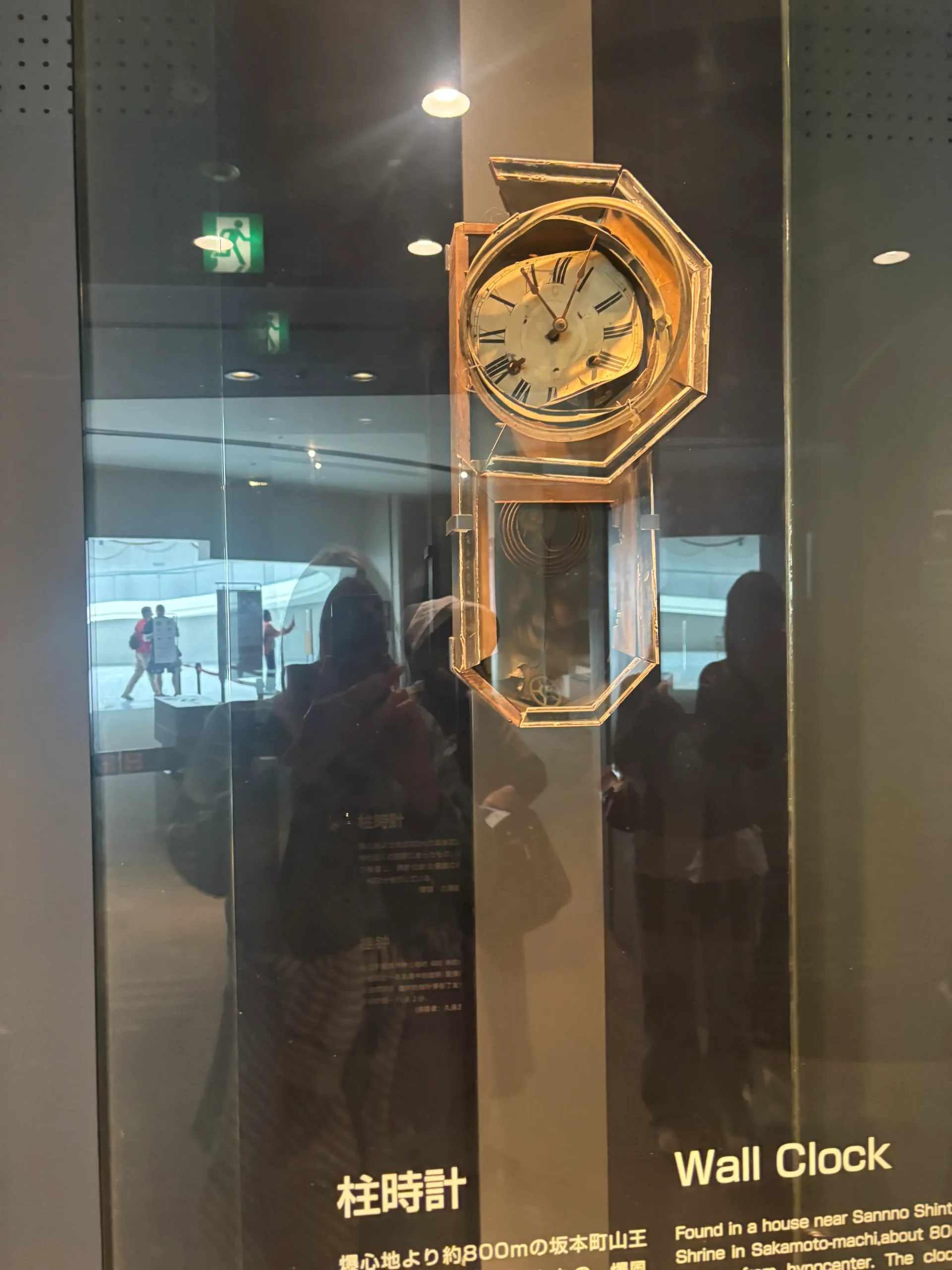
After this we headed to Chinatown, which was extraordinarily busy with people queueing for all of the restaurants. We managed to eat after queuing for a while. In the afternoon we headed towards the Nagasaki Peace Park and Museum. The first thing I saw in the museum was a clock. It was found in a house about 800 metres from the hypocentre and was shattered by the blast. The hands had stopped at 11.02, the moment of the explosion. I felt a bit overwhelmed by yet more photos of the devastated city and went outside to look at the monuments in the Peace Park. The most prominent is the Peace Statue pointing skyward. At the hyopocentre, where the bomb exploded is a black stone marker set into the ground. There are also the remains and foundations of some destroyed buildings, including part of a cathedral wall with plaques explaining what once stood there.
We were coming towards the end of the trip now and from this point we had a bus to transport us for the last part of our journey. We travelled into the Higashi-Sonogi tea-growing region. Firstly, we went up to the tea plantations and then visited a tea farmer’s house to sample lots of different teas. Most of them contained caffeine which I don’t drink. We then drove on to Hirado island, visiting the Kameoka shrine Hirado Castle enroute. It was raining hard again! The islands of Hirado and Ikitsuki are joined by two bridges to each other and the mainland. The 400-metre bridge linking the two islands is the longest truss bridge in the world and is pretty impressive.
The following two nights were again spent in a simple ryokan, although it was quite different from the last one. There was another opportunity to try out the baths but I declined. The hotel room was large and contained two futons and a low table. Again, we were provided with robes to wear for dinner. I decided to wear mine but didn’t want to wear the shoes provided and went down barefoot, which caused a storm and I was ordered back to my room to find the shoes. The food was similar to the meal we had been given in the previous ryokan and again my friend and I struggled with it, as did a few other members of the group. A lot of us were longing for fresh fruit and green vegetables. We had managed to find bananas in the local FamilyMart and occasionally strawberries, but they were very expensive. I felt that I went to bed hungry again and was not really looking forward to breakfast.
In the morning we boarded our private bus again and firstly drove up to The Kawachi Mountain pass, which had splendid views, but looked similar to some of our coastlines in the UK. It was windy and quite chilly. We then went to a whale museum as this area was famous for whale fishing in the past. Whaling is now restricted and far less prominent than it was. It is a sensitive and sometimes controversial issue internationally, balancing cultural tradition, local industry and conservation concerns. I didn’t go in to look. We then went on to the Matsura Museum, which is housed in the former residence of the Matsura family, who ruled the area from the 13th century. Returning to our hotel that evening, we could not face the full Japanese meal so opted to buy food from the FamilyMart to eat in our room and watch a movie on S’s phone. Sometimes, you just need some down time!
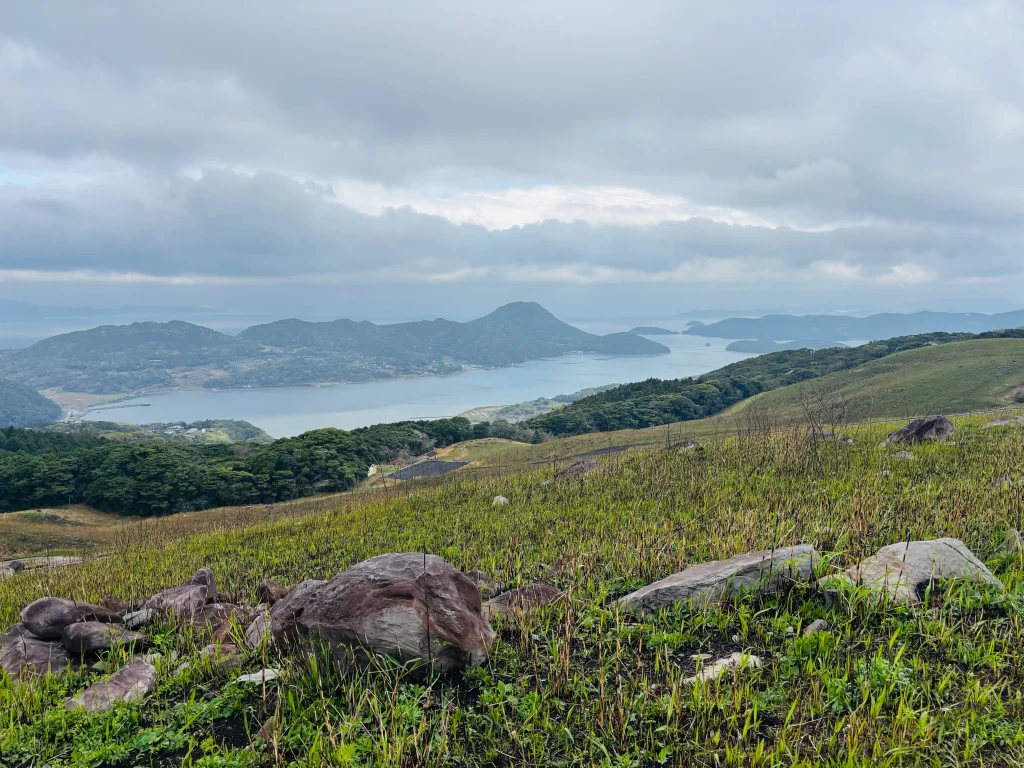
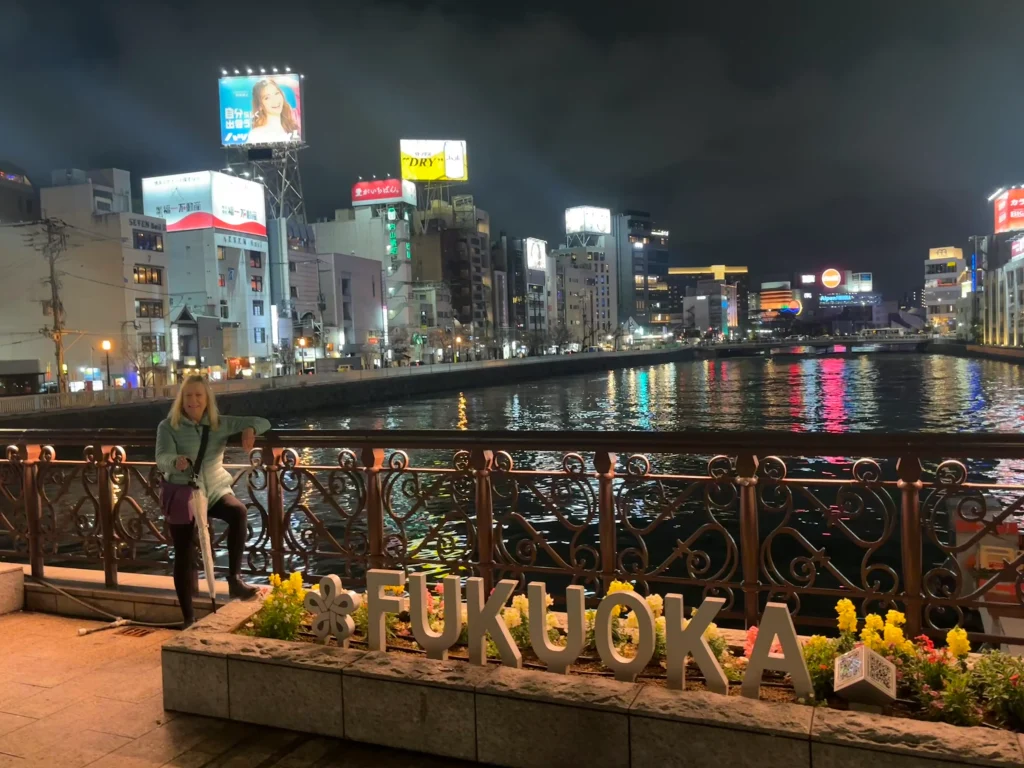
The final day of our trip saw us heading to Sasebo, where we got on a small boat to explore Kujukushima, the fabled “Ninety-Nine islands”. There are, in fact, a total of 208 islands, mostly uninhabited. It reminded me in a peculiar way of Halong Bay in Vietnam. Finally, we hopped on to a local train to Fukuoka from where, the following day, we would take a plane back to Tokyo and onward to the UK. I would like to have spent a bit longer in this city which it was strikingly lit up by the riverside at night. Once again, I am sad to say that a group of us opted to eat in an Italian restaurant again for our last meal in Japan.
So how do you sum up a trip like this? Japan is a country of striking contrasts. Personally, at times, Tokyo felt too intense and overwhelming for me and a rain-soaked Kyoto didn’t quite live up to my expectations. What stood out most though, was the kindness and respect shown to us by the people. That left a lasting impression. Food was obviously difficult for me to navigate with Crohn’s disease, which meant I couldn’t fully embrace that side of the experience. Even so, the journey had its powerful moments. Visiting the peace parks in Hiroshima and Nagasaki brought a sombre, emotional depth, and I’m truly glad to have experienced them. It was a shame to miss the cherry blossom season as we arrived just a little too early. Overall, it was a memorable and meaningful trip, though for me it was something of a curate’s egg. Would I visit Japan again? I’m not sure I would.